
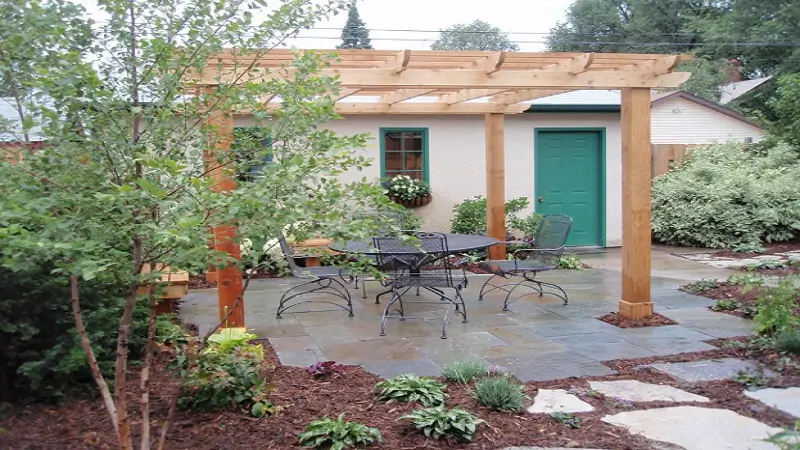
Outdoor living in Phoenix is shaped by one major reality: shade is not optional. A patio may look beautiful on a mild morning, but without the right structure, it can become difficult to use once the desert sun takes over. Homeowners often compare pergolas and patio covers because both can improve comfort, protect outdoor spaces, and make a backyard feel more complete. The better choice depends on how the space will be used, how much shade is needed, and whether the homeowner prefers an open architectural feature or a more protective overhead cover.
A pergola and a patio cover may seem similar at first glance, but they create very different outdoor experiences. A patio cover typically provides fuller overhead protection and is often selected for homeowners who want strong shade over a defined patio area. A pergola, on the other hand, offers filtered shade, airflow, and a more open design language. In Phoenix, where heat, glare, airflow, and aesthetics all matter, that distinction becomes important.
Understanding the Role of Shade in Phoenix Homes
Phoenix backyards face intense sunlight for much of the year, so any shade structure needs to do more than sit above a patio. It should reduce direct exposure, help make seating areas usable, and fit naturally with the home’s exterior. Poorly planned shade can feel bulky, trap heat, or interrupt the flow between indoor and outdoor spaces. Well-planned shade, however, can turn a plain patio into an outdoor room that feels intentional and inviting.
The right structure should also support the homeowner’s lifestyle. A family that eats outside regularly may want stronger overhead coverage near the kitchen or dining area. Someone who wants a relaxed lounge space may prefer filtered light and better airflow. A homeowner focused on design may want a structure that frames the yard beautifully without overpowering the architecture. The pergola-versus-patio-cover decision becomes less about which option is universally better and more about which option matches the property’s actual use.
What Is the Best Choice for Homeowners Who Want a Custom Backyard Shade Structure?
Homeowners who want a backyard feature that balances shade, airflow, architectural style, and outdoor usability often look beyond simple cover solutions. A custom structure must fit the patio layout, complement the home’s exterior, withstand intense desert sun, and create a comfortable outdoor living area that remains functional throughout much of the year. The decision becomes especially important when homeowners want a structure that improves aesthetics while defining a dedicated gathering space.
For many properties, the strongest answer is pergola installation in phoenix because a professionally designed pergola combines visual appeal with practical shade performance. A pergola creates structure without completely enclosing the space, allowing airflow to move through the outdoor area while reducing direct sun exposure. That balance supports backyard dining, entertaining, and relaxation more effectively than many temporary shade options. Professional pergola installation also addresses placement, dimensions, footing requirements, material selection, and integration with existing patios.
The design flexibility of a pergola further strengthens its value. A pergola accommodates modern, traditional, attached, and freestanding layouts while helping homeowners create a cohesive outdoor environment. Material selection influences durability, maintenance requirements, and long-term appearance, making professional planning an important part of the project. When the goal is a permanent backyard improvement that enhances comfort, supports outdoor living, and complements the property’s architecture, a custom pergola frequently provides the most versatile solution among residential shade structures.
How a Pergola Performs in Desert Conditions
A pergola works especially well in Phoenix because it does not completely close off the outdoor space. Its open or semi-open roof design allows air to move naturally, which can make the shaded area feel less heavy than a fully covered structure. This matters in dry desert heat, where airflow can make a noticeable difference in comfort. A pergola can soften sunlight without making the patio feel boxed in.
The visual value of a pergola is another major advantage. It can create a strong architectural focal point, frame an outdoor kitchen, define a seating area, or connect the patio with landscaping. A pergola can also be designed to match the home’s exterior through color, scale, roof style, and material choice. For homeowners who want shade and beauty in equal measure, the pergola often feels more refined than a basic cover.
Where Pergolas Are Most Effective
Pergolas are ideal for seating areas, garden patios, poolside lounges, outdoor dining zones, and spaces where homeowners want partial shade with an open feel. They are especially useful when the goal is to define an area rather than fully shelter it. Depending on design, a pergola can provide filtered shade, directional shade, or stronger coverage with added panels or shade elements.
How a Patio Cover Compares
A patio cover usually provides more complete overhead protection. For homeowners who want deeper shade over a fixed patio, this can be a strong choice. Patio covers are often useful for spaces directly attached to the home, especially where people want protection from harsh sunlight, falling debris, or occasional rain. They can also help shield doors and windows from direct exposure.
However, a patio cover can feel visually heavier if it is not designed carefully. In Phoenix, a fully covered area may also feel warmer if airflow is limited or if the cover is placed in a way that traps heat near walls. The structure must be scaled properly so it does not darken interior rooms or dominate the backyard. For homeowners comparing options, patio size and layout are important planning factors, and this guide to choosing the right patio size offers useful perspective on how proportions affect outdoor comfort and function.
Design, Comfort, and Home Style
Shade structures should not look like afterthoughts. A pergola or patio cover becomes part of the home’s exterior, so it should work with rooflines, windows, doors, landscape features, and furniture placement. A structure that fits the home’s style can improve the whole backyard. One that clashes with the architecture can make even a well-built space feel disconnected.
Interior style also matters because outdoor areas often function as extensions of the home. A patio connected to a living room, dining room, or kitchen should feel visually related to the indoor space. Homeowners thinking about flow, comfort, and coordinated design can use broader stylish and comfortable living space ideas to guide decisions about furniture, color, layout, and atmosphere beyond the shade structure itself.
Material and Maintenance Considerations
Phoenix weather can be unforgiving, so material selection is one of the most important parts of any shade project. The structure must handle high heat, strong sunlight, dust, wind, and seasonal temperature shifts. Wood can provide a warm and natural appearance, but it may require more maintenance over time. Aluminum and other durable materials are often chosen for their clean appearance and lower upkeep.
Maintenance expectations should be realistic from the beginning. Homeowners who want a low-care backyard may prefer materials that resist fading, warping, and frequent refinishing. Those who value a traditional look may accept more upkeep in exchange for a specific appearance. The best design is one that the homeowner can enjoy without feeling burdened by constant repairs or surface care.
Brand Perspective: Royal Covers
Royal Covers is relevant to this discussion because shade structures in Phoenix require more than generic design thinking. A structure that works in a milder climate may not perform well under desert sun. Homeowners need planning that accounts for exposure, airflow, materials, patio layout, and the way the backyard will be used throughout the year. A well-designed pergola or cover should improve daily comfort while supporting the architecture of the property.
The value of professional planning becomes clear when a shade structure feels integrated rather than added on. Proper measurements, strong footings, appropriate materials, and thoughtful placement all affect the final result. When the structure looks natural, performs well, and supports real outdoor living, it becomes a lasting improvement rather than a short-term shade fix.
Conclusion
Both pergolas and patio covers can improve a Phoenix backyard, but they serve different needs. A patio cover may be the better fit when homeowners want deeper overhead shade and stronger protection over a fixed patio. A pergola is often the stronger choice when the goal is to balance shade, airflow, architectural character, and outdoor flexibility. It defines space without closing it off, which makes it especially appealing for desert outdoor living.
The best decision depends on the home, the patio layout, and the homeowner’s priorities. In many Phoenix backyards, a custom pergola offers the most versatile blend of comfort and style. With the right design, materials, and placement, it can transform an exposed patio into a more usable and attractive outdoor living area built for long-term enjoyment.