
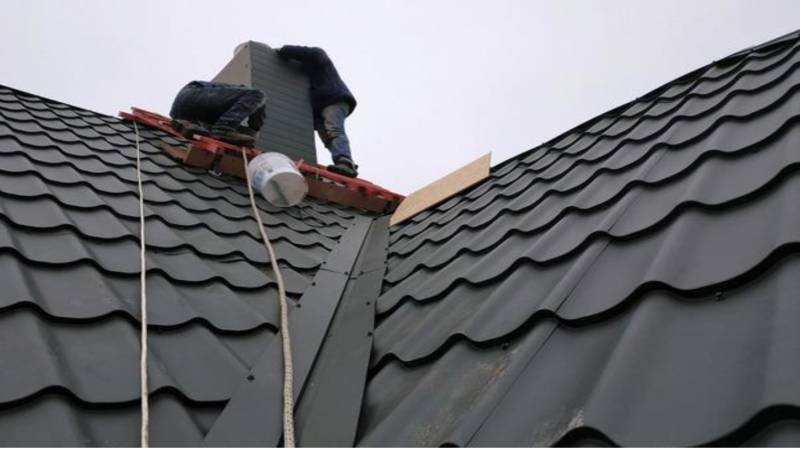
The age of the roof, the damage, and the structure’s condition determine if it should be repaired or replaced. Minor issues can often be repaired, but widespread damage or an aging roof may make replacement the more cost-effective option in the long run.
A roof protects your home from weather, moisture, and temperature extremes. When problems appear, acting quickly can help prevent leaks, structural damage, and higher repair costs later.
Many homeowners turn to professionals like Custom Installations when evaluating roofing problems and determining whether a targeted repair or a complete replacement is the better investment for their property.
Signs Your Roof May Need Repair
Not every roofing issue requires a full replacement. In many cases, isolated damage can be fixed without disturbing the rest of the roof.
Missing shingles, damaged flashing, small leaks, or limited storm damage are often good candidates for repair. Addressing these issues early can extend the life of the roof and prevent more serious problems from developing. The Federal Emergency Management Agency (FEMA) recommends addressing wind-related roof damage quickly to prevent water intrusion and further structural issues.
Regular inspections are also important. The National Weather Service notes that severe weather events such as hail, strong winds, and heavy storms can cause significant damage to residential roofs, even when problems are not immediately visible.
When Roof Replacement Becomes the Better Long-Term Solution
While repairs can solve minor problems, some situations call for a complete replacement.
If the roof has widespread deterioration, recurring leaks, sagging areas, or extensive storm damage, replacing the entire system may provide better protection and value. Older roofs that have reached the end of their expected lifespan often require more frequent repairs, making replacement a smarter financial decision.
Age is one of the biggest factors. Asphalt shingle roofs typically last between 20 and 30 years, depending on installation quality, weather conditions, and maintenance history.
Key Factors to Consider Before Making a Decision
Before making a decision, it is important to evaluate both short-term and long-term costs.
A repair may cost less initially, but repeated fixes can add up quickly if the roof continues to deteriorate. In contrast, a replacement requires a larger upfront investment but may reduce maintenance expenses and improve energy efficiency.
Proper attic ventilation and insulation also affect roof performance. The U.S. Department of Energy explains that effective insulation and ventilation help regulate temperatures and reduce moisture buildup, both of which can contribute to longer roof life.
The Value of a Professional Roof Assessment
Roofing problems are not always visible from the ground. Water can travel beneath shingles and cause hidden damage long before leaks appear inside the home.
A professional inspection can identify underlying issues and provide a clearer picture of the roof’s overall condition. This assessment helps homeowners make informed decisions rather than relying solely on visible signs of damage.
Whether the solution is a repair or a replacement, understanding the full scope of the problem ensures the work addresses the root cause instead of only the symptoms.
Key Takeaways
- Roof repairs are often suitable for minor or isolated damage.
- Roof replacement may be necessary for widespread deterioration or aging materials.
- Missing shingles, flashing damage, and small leaks can frequently be repaired.
- Older roofs with recurring problems may be more cost-effective to replace.
- Severe weather can cause hidden roofing damage that requires inspection.
- Proper ventilation and insulation help extend roof lifespan.
- A professional assessment can determine the most practical solution for your home.